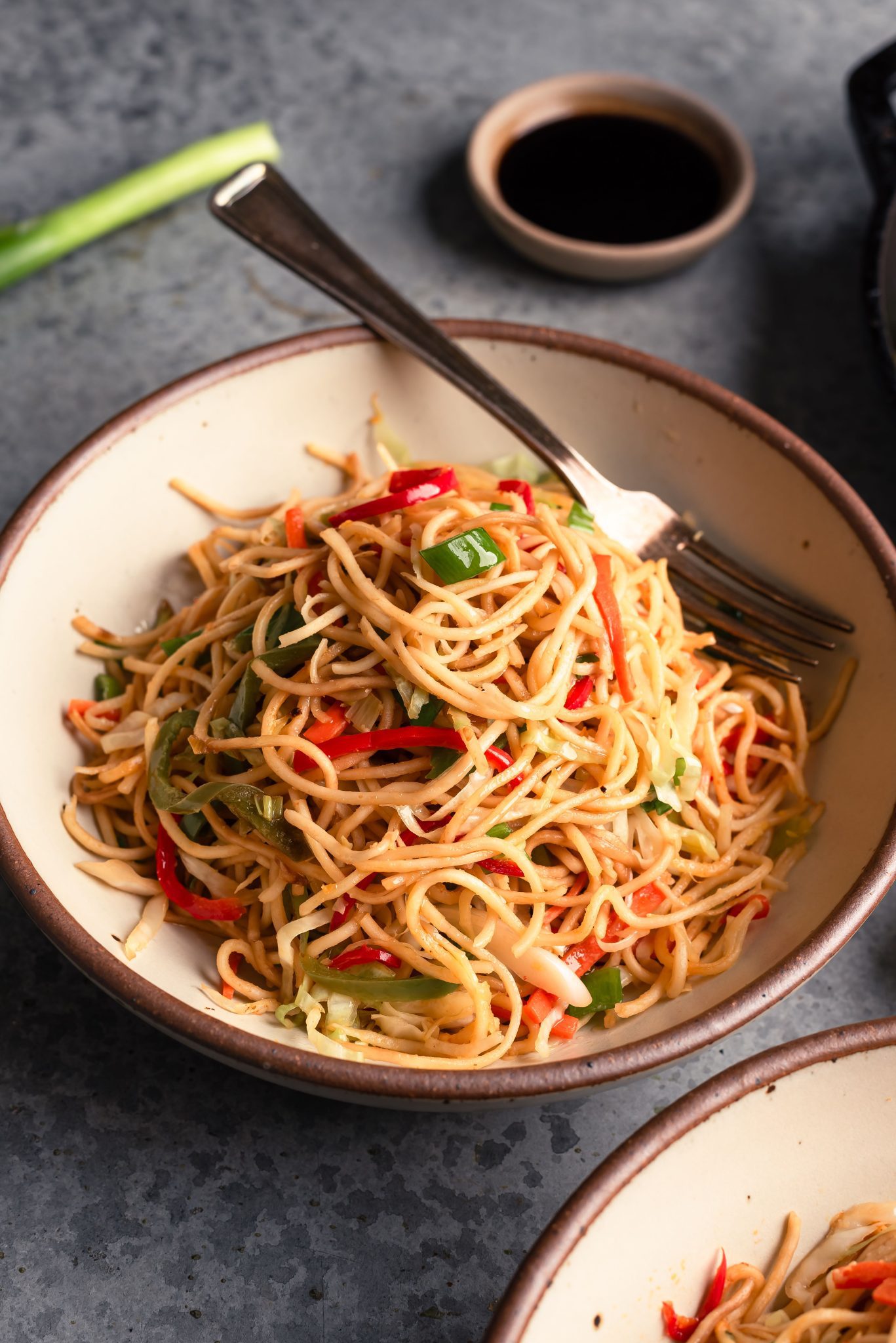

Hakka Noodles Recipe & Vegetable Cutting Technique
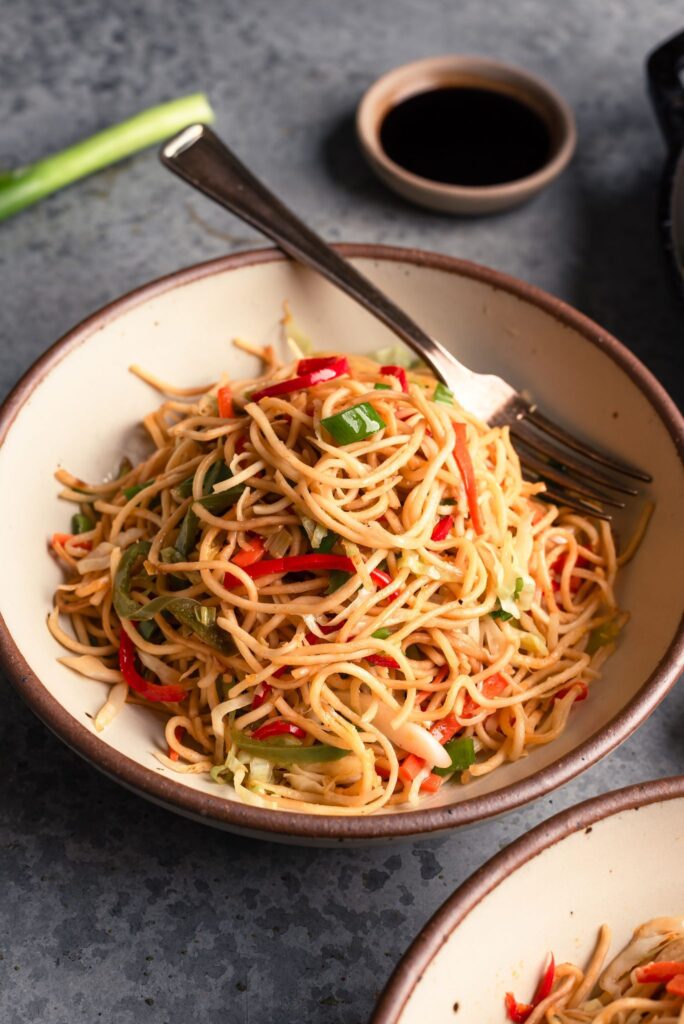
Make restaurant-style vegetable Hakka noodles at home by mastering three simple techniques: how to cut the vegetables Chinese-style, how to boil noodles perfectly, and how to season and use the wok for that distinctive wok hei flavour. Follow these steps and your noodles will have the right texture, balanced flavours, and the crisp-tender vegetables that make this dish sing.
Overview
- Prep time: 15–20 minutes
- Cooking time: 10–12 minutes
- Serves: 2–3 people
Ingredients
- Oil as required
- Garlic 1 tbsp, chopped
- Onion 1/3 cup, sliced
- Carrot 1/3 cup, julienned
- Capsicum 1/3 cup, julienned
- Cabbage 1/3 cup, chiffonade (thin shreds)
- Sugar a pinch
- Green chilli paste 1/4 tsp
- Spring onion greens a small handful (some for cooking, some finely chopped for garnish)
- Noodles 1 packet / 150 g
- Salt to taste
- White pepper powder a pinch
- Light soy sauce 1/2 tsp
- Vinegar 1/2 tsp
- Aromat powder a pinch (optional; a common taste enhancer in restaurants)
Technique 1 — Vegetable cutting (make vegetables noodle-shaped)
Cutting vegetables into long, noodle-like strips ensures they blend into the dish without standing out as bulky pieces. The goal is uniform texture and quick, even cooking.
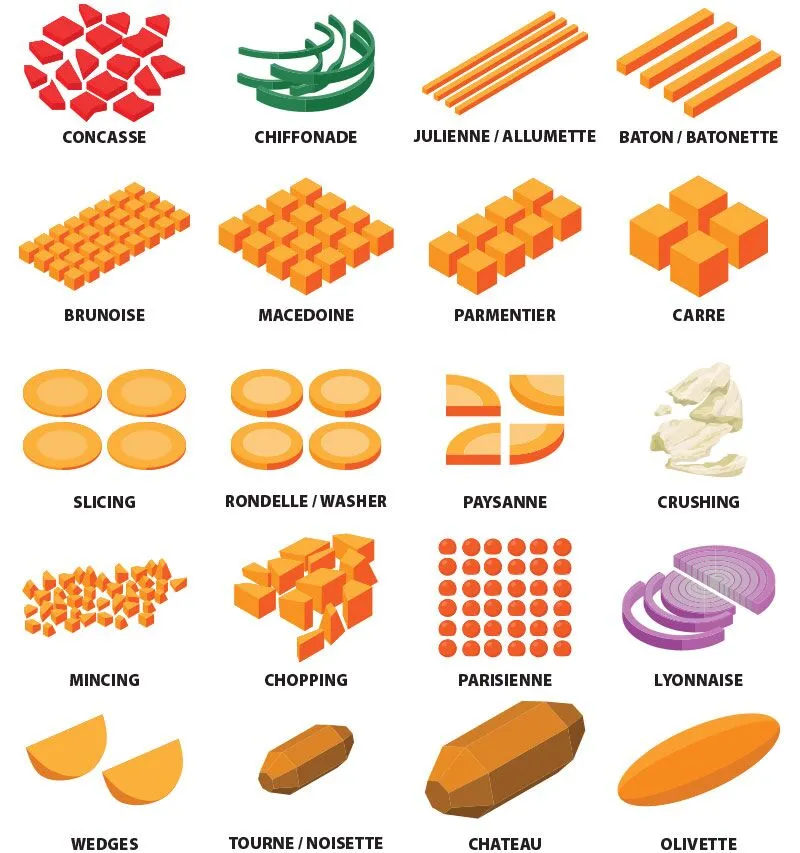
Carrot — Julienne (matchsticks)
- Peel the carrot and trim one side to create a flat base so it sits stable on the board.
- Slice diagonally into thin even slices.
- Stack a few slices and cut into thin matchsticks. Aim for strips similar in width to the noodles.
Cabbage — Chiffonade (thin shreds)
- Halve the cabbage, then halve again to make quarters. Trim off the core and any very thick stem pieces.
- Press the quarter flat with your palm to steady it.
- Slice lengthwise into very thin shreds. The result should be fine, long strands that mix into the noodles.
Capsicum (bell pepper) — Julienne
- Trim the top and bottom, stand the capsicum upright and make a lengthwise slit.
- Lay it flat, slide the knife under the skin, and roll outward to separate the core, giving you a long sheet.
- Cut into 3–4 inch sections and slice 2–3 mm wide to match the noodle thickness. Place skin-side down for easier slicing.
- Alternative: cut the four sides off and slice each piece into juliennes.
Onion
- Peel and halve the onion. Place the flat side down and slice lengthwise into even strips about 2 mm thick — not too thin, not too thick.
- Separate the layers gently to have loose strips that mix well into the noodles.
Spring onion greens
- For cooking, gather the greens and cut into 1 inch long pieces.
- For garnish, gather and slice finely into thin rounds.
Note: Aim for consistency. Vegetables in noodle form cook quickly and marry with the noodles for a unified texture.
Technique 2 — How to boil noodles perfectly
Overcooked, soggy noodles are the most common home mistake. Use this quick method to get noodles that have body and do not break or clump.
- Bring a pot of water to a rolling boil. Add salt to taste and 1 tsp oil.
- Add the 150 g packet of noodles to the boiling water.
- Keep the flame on high for 30 seconds to 1 minute, just until the noodle strands separate and open up. Do not boil for several minutes.
- Turn the flame off immediately and cover the pot. Let the noodles rehydrate in the hot water for 2–3 minutes.
- Use tongs to remove the noodles, transfer to a sieve, and rinse with cold water to stop any carryover cooking.
- Drizzle a little oil on the cooled noodles and toss so they do not stick together.
Why this works: Most packaged noodles are dehydrated. Brief direct heat separates them; the rest of the cooking comes from rehydration and the toss in the wok. Rinsing with cold water stops them from softening further, preserving bite.
Technique 3 — Get restaurant flavour (wok technique and wok hei)
The restaurant signature comes from very high heat and a well-heated wok. This generates wok hei, a slight smoky, charred aroma that elevates simple ingredients.
- Use a thin-walled wok for rapid, high heat. If unavailable, a thin kadai heated well on high can work as a substitute.
- Preheat the wok until very hot, then add cold oil. The hot surface with cold oil helps create an almost non-stick coating and produces the right sear.
- Work fast and on high flame. The vegetables should be tossed for only about 30 seconds so they remain crisp-tender.
Cooking method — Step-by-step
- Heat the wok on high until very hot. Add 1 tbsp cold oil and swirl to coat.
- Add 1 tbsp chopped garlic and immediately add:
- 1/3 cup sliced onions
- 1/3 cup julienned carrots
- 1/3 cup sliced capsicum
- 1/3 cup shredded cabbage
- Toss these vegetables on high heat for 30 seconds. They should stay crunchy.
- Add a pinch of sugar, 1/4 tsp green chilli paste, and some spring onion greens.
- Add the boiled noodles along with salt to taste, a pinch of white pepper, 1/2 tsp light soy sauce, 1/2 tsp vinegar, and a pinch of aromat powder (optional).
- Toss everything together for 1 to 1.5 minutes on high heat until well combined and heated through.
- Finish with a handful of finely chopped spring onion greens for garnish.
Total time on the wok after prep is very short. Once the wok is hot, the dish comes together in minutes, preserving texture and creating lively flavours.
Tips, substitutions, and common mistakes
- Do not overboil noodles: Boiling them for 7–8 minutes and leaving them in hot water will make them soggy and limp.
- Match noodle width: Cut vegetables to roughly the same width as the noodles so every bite is balanced.
- Wok hei substitute: If you cannot use a wok or high flame, cook in the hottest pan you have and work quickly. You will still get good results, though the smoky note may be milder.
- Aromat powder: This is optional; it acts as a seasoning similar to MSG in many restaurants. If you prefer to avoid it, the soy, vinegar, garlic, and pepper will still deliver classic flavours.
- Texture over garnish: Keep vegetables crisp-tender and avoid over-stirring the noodles. Tossing on high heat seals flavors without mushiness.
Serving suggestion
Serve hot, garnished with the finely chopped spring onion greens. Hakka noodles pair well with a side of veg manchurian, hot and sour soup, or simply enjoy them on their own as a quick weekday meal.
Final note
Perfect Hakka noodles are more about technique than complicated ingredients. Nail the vegetable cuts, follow the quick noodle rehydration method, and use a very hot wok for a couple of minutes. The result is a simple, fast, restaurant-style plate of noodles you can make at home any time.